Help us build a future where nature soars
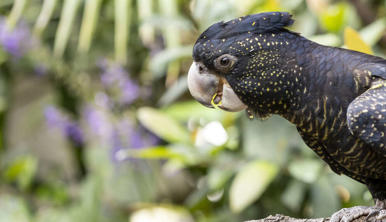
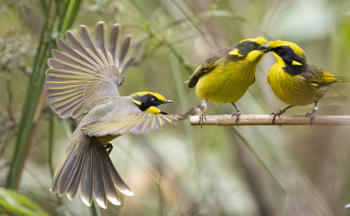
For centuries where eucalypt forests and woodlands across south-eastern Australia burst with flowers, black and gold songbirds gathered in their thousands to feed upon the rich nectar. Along their journey, they gave back to the lands that cared for them by spreading pollen from one tree to the next over hundreds of thousands of kilometres.
Today, however, more than 85 percent of Victoria’s box-ironbark woodlands have been cleared. The Critically Endangered Regent Honeyeater – that same striking songbird – survives in small, fragmented pockets of remaining habitat, with fewer than 250 adults left in the wild.
They’re not alone. Habitat loss and climate change are two of the most pressing threats affecting wildlife globally. Even the loss of one species can throw entire ecosystems out of balance.
Will you support us to provide wildlife with high level expert care close to home?
Step back to when it all began
The last known Christmas Island Pipistrelle bat disappeared in August 2009. Some of our staff witnessed this extinction in real time and had to come to terms with being too late to intervene. The Pipistrelle bat is just one of 39 native mammalian species to be lost to extinction since colonisation. It was then that we swore not to allow another Victorian terrestrial species to suffer the same fate.
For 17 years, with people like you beside us, we’ve shown that collective action can turn the tide on species extinction.
Together, we have:
Helped reclassify the Eastern Barred Bandicoot from Extinct in the Wild to Endangered after decades of support.
Witnessed the first Helmeted Honeyeater chicks to hatch on Bunurong Country in over 40 years, after a new population was established in the Cardinia Shire.
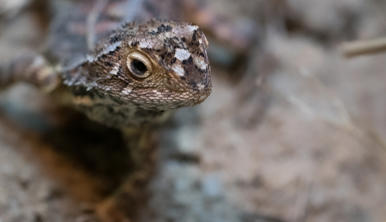
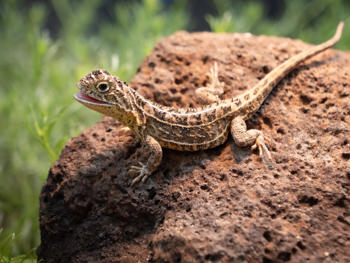
Established a conservation breeding program at Melbourne Zoo for the recently rediscovered Victorian Grassland Earless Dragon.
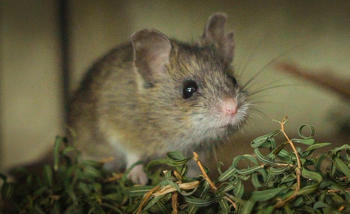
Protected the genetic diversity of Victorian Pookila with a reintroduction to the Royal Botanic Gardens Cranbourne.
Boosted wild populations of Baw Baw Frog, Corroboree Frog, Spotted Tree Frog and Watson’s Tree Frog through the release of more than 30,000 tadpoles, froglets and adults.
Established a conservation breeding program at Melbourne Zoo for the recently rediscovered Victorian Grassland Earless Dragon.
Built a predator-free safe-haven at Haining Farm to secure the future of Victoria’s faunal emblems, the Leadbeater’s Possum and Helmeted Honeyeater.
Our hard-won successes are shared. Will you continue to help us make a lasting impact?
Zoos Victoria's Fighting Extinction Program
At Zoos Victoria, we fight extinction through conservation breeding, genetic management, translocations, targeted restoration projects, research and community engagement.
From a shortlist of more than one hundred threatened species, nominated by some of Australia’s leading conservation scientists, we’ve narrowed our focus for the next three years to 34 species. It’s here we believe we can make the most meaningful impact, but we need your help. These species share a common story. If we don’t act now, they could be extinct within 20 years.
Australia's threatened birds are in crisis
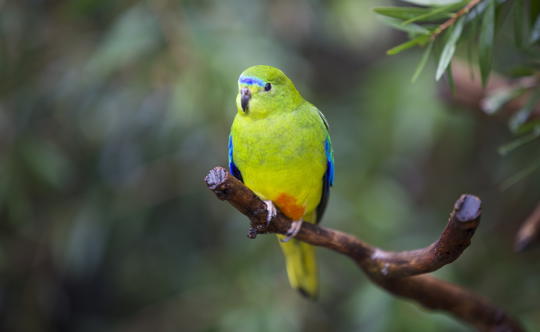
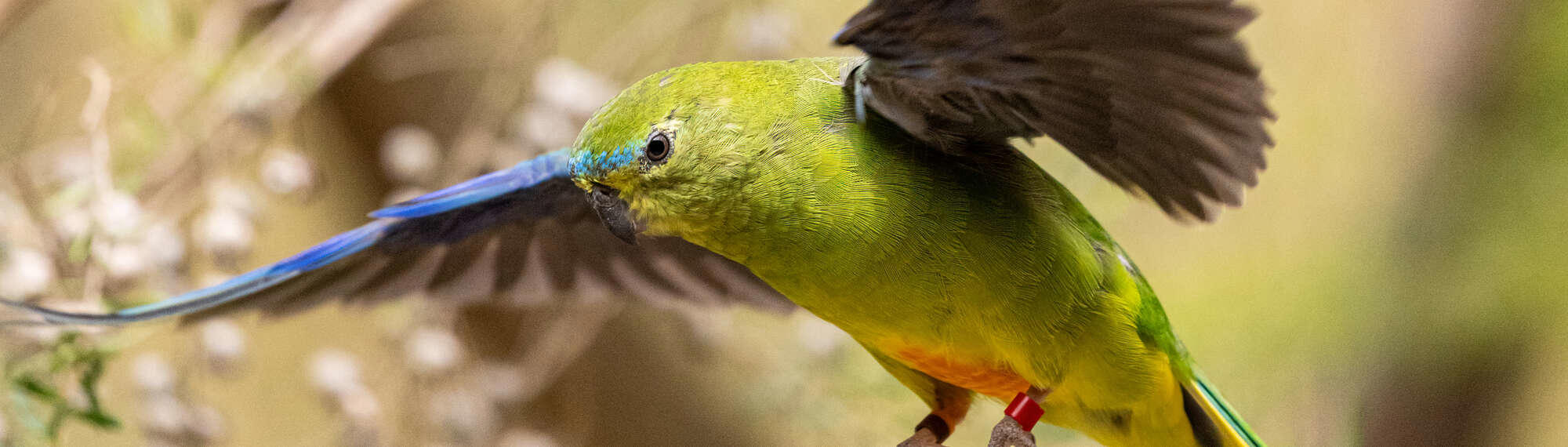
Ten years ago, we witnessed the Critically Endangered Orange-bellied Parrot’s numbers dwindle to just seventeen wild individuals. Despite the odds, a coordinated effort across conservation breeding and release programs, surveys and land managers has slowly increased that wild population to above eighty. It’s a remarkable gain, but a fragile one.
The recent arrival of H5 bird flu to Australian shores is already putting pressure on both threatened and abundant native birds. While the impact will vary between species, the outlook is particularly stark for birds with small, fragmented populations – like the Critically Endangered Orange-bellied Parrot. When the full impacts of H5 Bird Flu are known, we will need to rebuild what has been lost. Conservation breeding and release programs will continue to be essential tools to prevent Victoria’s most imperilled species from slipping away.
With your support, we can continue to grow our conservation breeding programs for Victoria’s most threatened birds.
Protecting the unseen and irreplaceable
Near the Mallee’s River Murray and ephemeral lake systems in Northwest Victoria, the flutter of iridescent blue wings has stilled for another year.
Endangered Mallee Bronze Azure butterflies have laid their eggs on the sandy mouths of sugar ant nests. Much is unknown about what happens once the eggs are carried into the subterranean chambers. But, in just a few months, adult butterflies will emerge thanks to the care they received from the sugar ants that are thought to be both nurse and nourishment.
A lack of knowledge is the greatest challenge we need to address when working to protect the species foundational to our ecosystems.
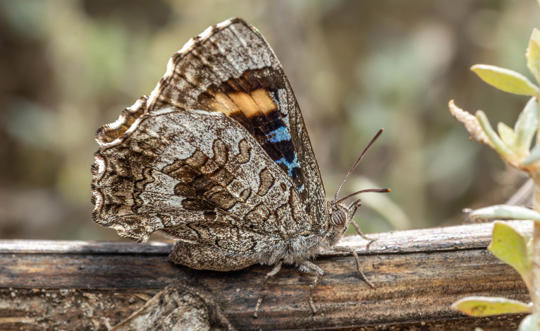
Photo credit: Mallee Conservation
Invertebrates are estimated to account for 95 per cent of the total animal biodiversity in Australia, and yet only a third of those species are known to science.
Over the next three years, we will begin answering some of the most pressing questions that our Fighting Extinction invertebrates face, from their distribution and habitat requirements to the interspecies relationships that fuse the fates of an ant to an Endangered butterfly. Armed with that knowledge, we can prevent the loss of irreplaceable connections to nature’s intricate web.
Will you help us find the answers we need to protect threatened species?
It is only with your support that we can continue to fight for a future rich in wildlife. Join us as we launch our conservation action plans for 34 of the most imperilled species. And help us build a future where nature soars.
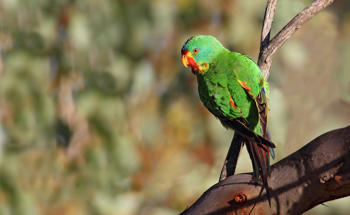
Photo credit: Chris Tzaros
Other ways to help
There are many ways to support wildlife, including leaving a gift in your Will, fundraising for wildlife, becoming an Animal Adopter or Conservation Partner.